Medical Illustration Guide: Process, Cost, and When to Hire
A practical guide to medical illustration, including use cases, commissioning steps, cost factors, and DIY versus professional support.

Scientific illustration and research communication studio
Published 18 June 2026
Last updated 26 July 2026 · 4 min read
What is medical illustration?
Medical illustration is the planned visual explanation of anatomical, clinical, surgical, or biomedical information. It combines visual communication with research and subject-matter review so that the final image is appropriate for a defined audience and use.
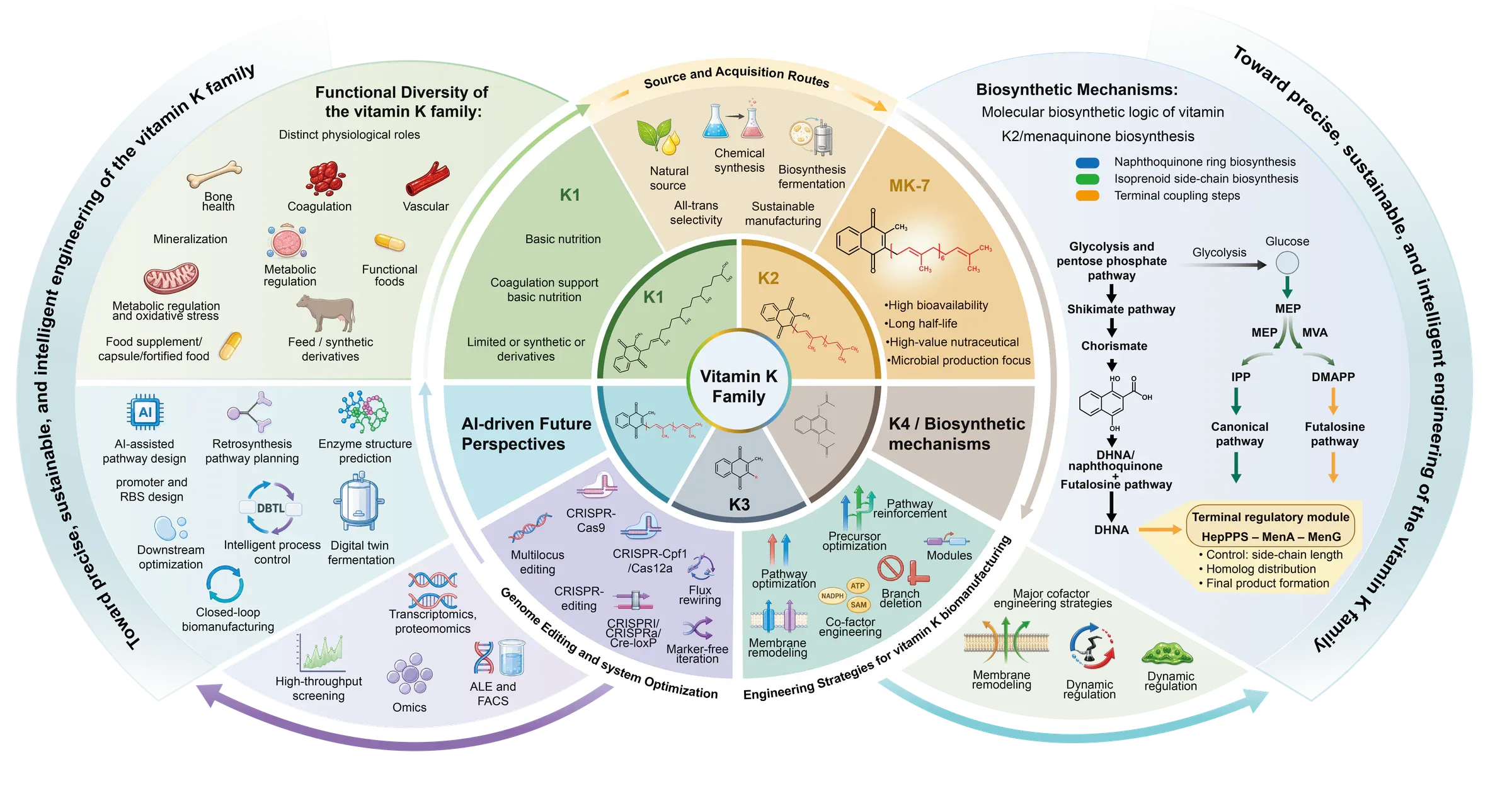
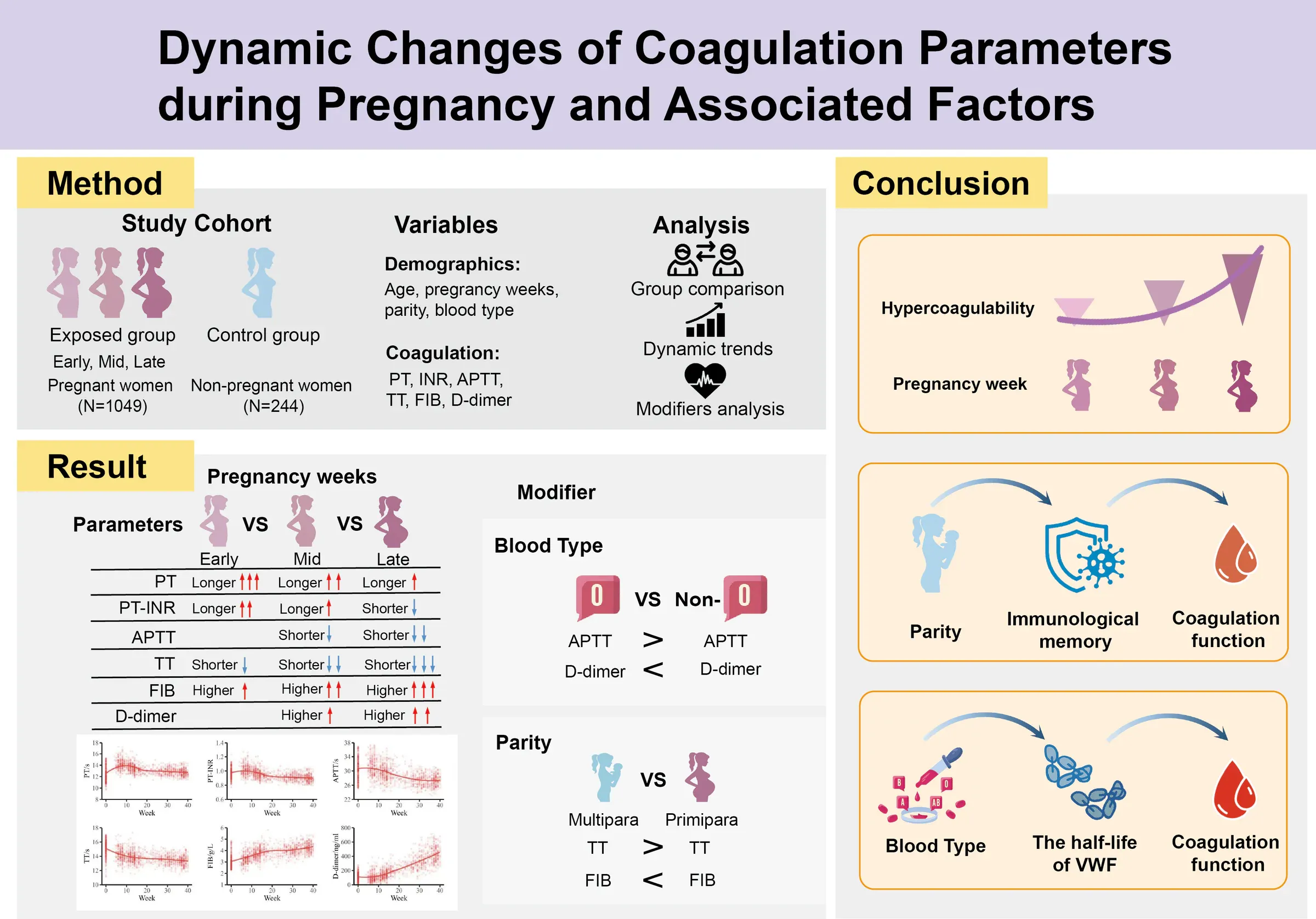
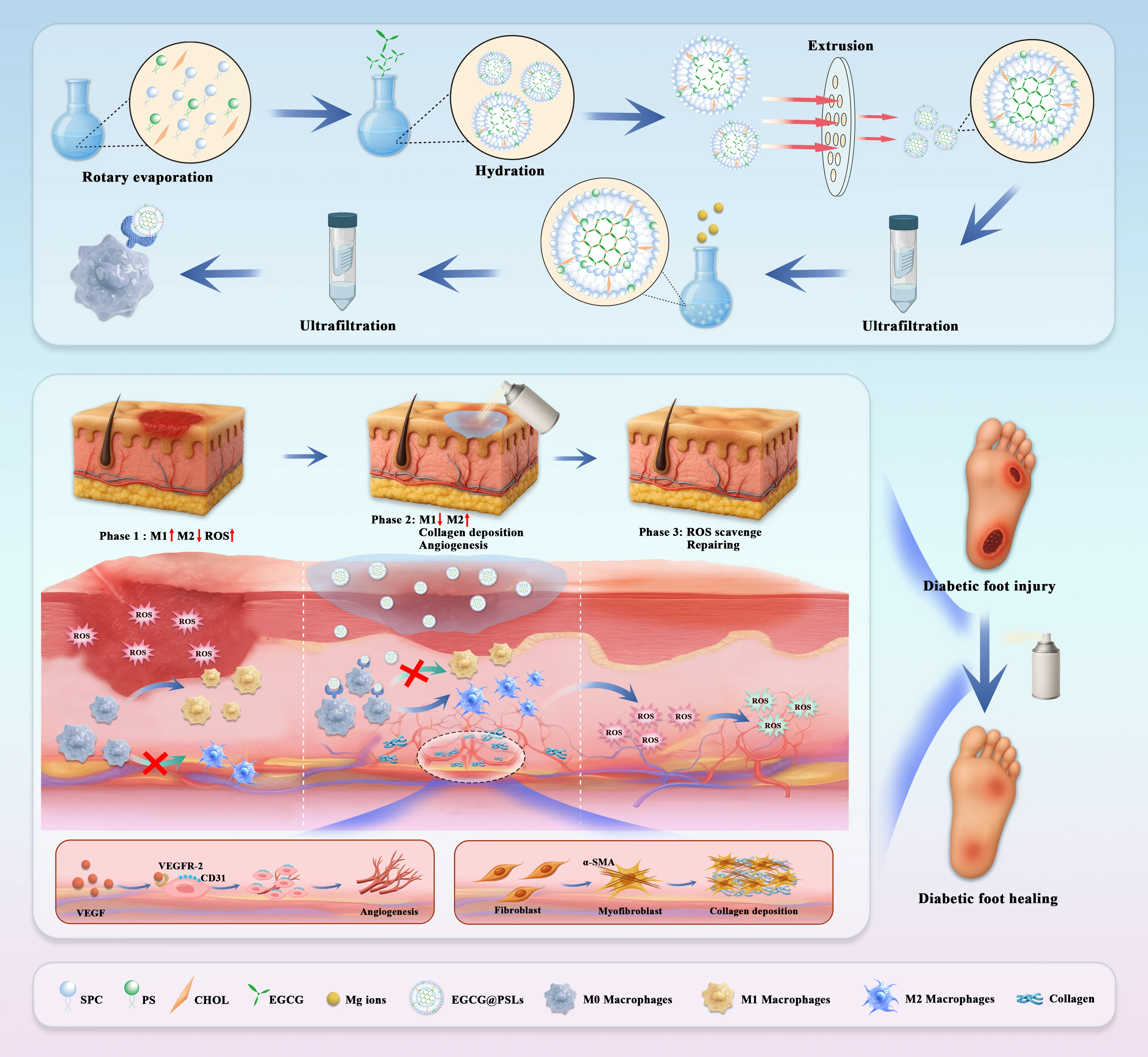
The term covers more than anatomical drawing. Medical and biomedical illustrators may create mechanism diagrams, surgical sequences, device explanations, patient education, editorial art, three-dimensional models, animation, interactive media, and visual evidence for research or commercial communication.
The Association of Medical Illustrators describes the work as a blend of life-science knowledge and visual communication. That combination is important: scientific accuracy alone does not guarantee understanding, and an attractive image is not useful if it distorts the biology.
When do you need a medical illustrator?
Professional medical illustration is most useful when accuracy, specialist visualisation, or communication risk exceeds what a generic diagram can handle. Common situations include:
- a novel mechanism or device has no suitable stock image;
- a procedure needs to show structures that cannot be photographed together;
- microscopy, imaging, and written evidence must be combined into one explanatory view;
- the audience includes patients, investors, policy teams, or other non-specialists;
- a campaign needs a consistent family of stills, animations, and presentation assets;
- the image will be published, regulated, widely distributed, or used commercially;
- the team needs a documented review process and clear usage rights.
Professional support can also help earlier than expected. The AMI’s guide to hiring a professional recommends involving the illustrator near the beginning because visual decisions can expose gaps in the content, terminology, or intended narrative.
How much does medical illustration cost?
Medical illustration cost is shaped by scientific complexity, research time, style, revisions, deadlines, deliverables, and usage rights. There is no universal price list because two images of the same anatomical region may require very different levels of interpretation and production.
| Factor | Lower complexity | Higher complexity |
|---|---|---|
| Scientific content | Established anatomy | Novel mechanism or device |
| Output | Single static figure | Layered series or animation |
| Usage | Internal presentation | Commercial campaign or broad licensing |
The AMI notes that medical illustration is generally licensed for defined uses rather than transferred as an unrestricted object. Its working-with-an-illustrator guidance explains that price can depend on where the work appears, how long it will be used, the geographic area, distribution, and whether the licence is exclusive.
For a useful estimate, provide:
- the scientific subject and intended audience;
- the number and type of final assets;
- examples of the desired level of rendering;
- the deadline and review milestones;
- where the work will appear;
- the expected duration and territory of use;
- any need for editable source files, animation, or future adaptations.
Ask the illustrator to separate production scope, revisions, and usage rights in the estimate. That makes later changes easier to evaluate.
How do you commission a medical illustration?
Commissioning begins with audience, purpose, scientific references, review responsibility, usage, and delivery requirements. A typical workflow has six stages:
- Discovery: The team defines the communication goal, audience, format, and constraints.
- Research: The illustrator reviews papers, imaging, device references, terminology, and existing visual conventions.
- Concept: Rough compositions establish viewpoint, hierarchy, sequence, and the level of simplification.
- Scientific review: A named subject expert checks structures, relationships, labels, and claims before detailed rendering.
- Production: The approved concept is developed into the final visual style and output set.
- Delivery: Final files, formats, licence terms, accessibility text, and any source-file arrangements are documented.
Approve the science while the work is still easy to change. Moving an organ, device, or pathway after final rendering is slower and more expensive than correcting it in a sketch.
What should a medical illustration brief include?
A strong brief identifies what must be scientifically correct and what the audience must understand first. Include:
- a one-sentence communication objective;
- the primary audience and their assumed knowledge;
- required structures, processes, labels, and exclusions;
- source papers, scans, photographs, datasets, or approved references;
- the desired viewpoint and any clinically important orientation;
- examples of style and detail level, with an explanation of what you like;
- final dimensions, formats, channels, and accessibility requirements;
- the scientific reviewer and final decision-maker;
- revision rounds, milestones, and deadline;
- intended usage, territory, duration, and attribution.
Do not send a folder of references without indicating which source governs each feature. Annotated references reduce ambiguity and help the illustrator distinguish verified anatomy from visual inspiration.
Should you create it yourself or hire a professional?
DIY tools work for straightforward internal diagrams, while professional support reduces risk when scientific nuance and visual quality must withstand external scrutiny.
| Project question | DIY may be suitable | Professional support is useful |
|---|---|---|
| Scientific content | Familiar, standard, and easy to reference | Novel, spatially complex, or clinically sensitive |
| Audience | Small internal expert group | Patients, publication, investors, or public audiences |
| Media | One simple static diagram | Original rendering, animation, interactive, or asset family |
| Review risk | Low-stakes and easy to revise | External, regulated, or expensive to correct later |
If you do create the first version internally, document the references and unresolved questions. A rough diagram can be an excellent briefing tool even when it is not suitable as the final deliverable.
The best commissioning relationship is collaborative. The scientist protects the integrity of the evidence; the illustrator determines how that evidence can be seen, understood, and used by the intended audience.